Online stores · Understanding the work involved
How much does a professional online store cost in Switzerland?
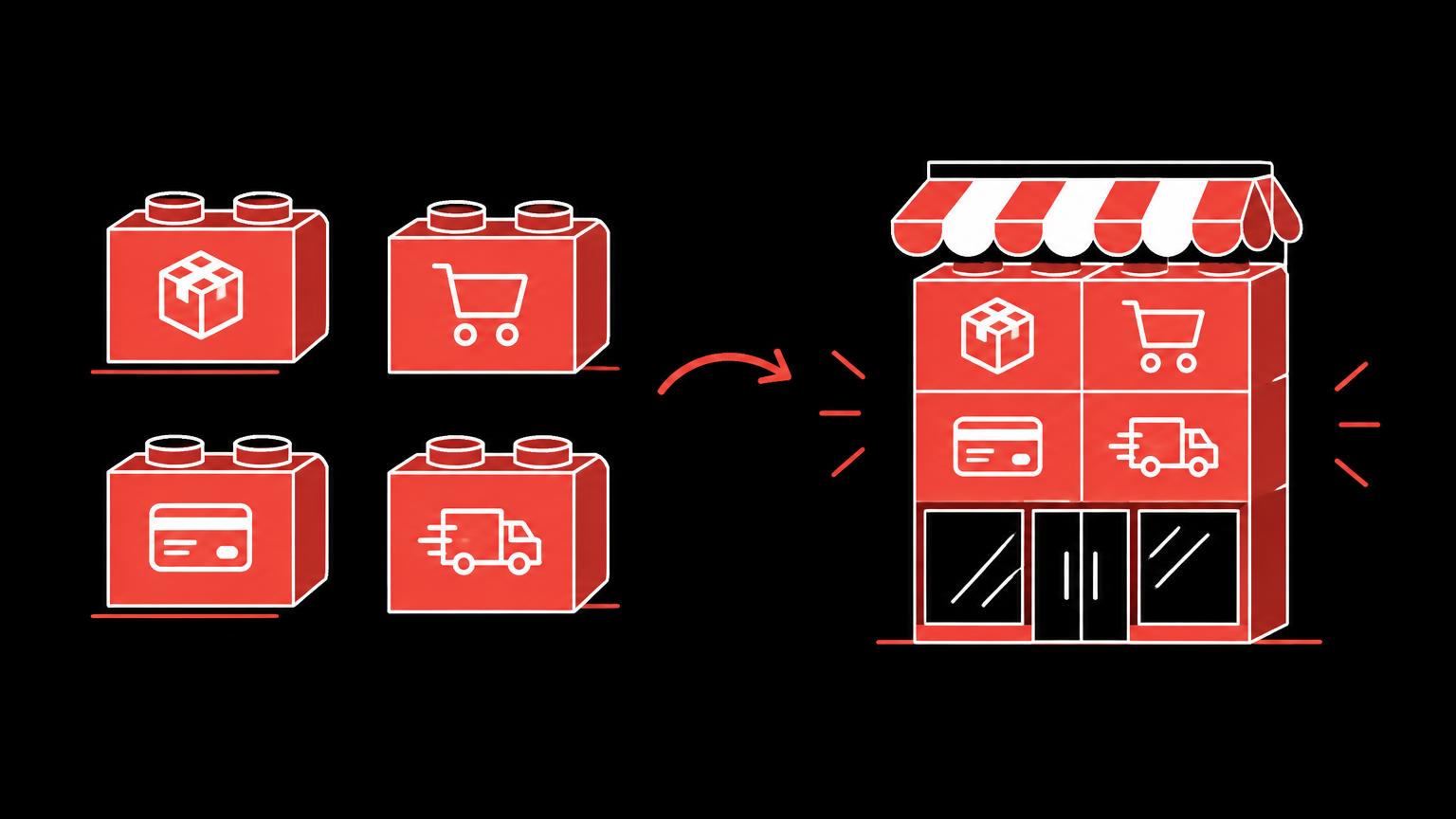
The only honest way to answer the question of what an online store costs is with another question: what does the store need to do? A shop with twenty clearly described products and one shipping method is a very different project from a range with variants, several languages and an inventory management integration.
This article explains which areas determine the work involved, which costs are one-off or ongoing, and what information is needed for a realistic quotation. We deliberately avoid flat-rate prices, as these would be either too high or too low for almost every project.
A simple shop or a comprehensive sales system
Design alone is rarely the biggest cost driver. What matters is how many processes the store needs to support. A simple shop sells a small number of products to customers in Switzerland, accepts payments through one provider and ships orders under a clear shipping rule. A comprehensive sales system, by contrast, connects inventory, accounting, multiple markets and different customer groups.
Most projects fall somewhere between these two extremes. Businesses often start small and expand later. This makes sense, provided the foundations allow for future development. If you already know that you will need a second language or a wholesale area in two years, mention this during planning, even if it is not being implemented now.
| Requirement | Simple shop | Growing shop | Comprehensive shop |
|---|---|---|---|
| Product range | manageable, few variants | several categories and variants | extensive, many variants and attributes |
| Product data | clean data already available | some information still needed | data from several sources needs standardising |
| Payment and shipping | one provider, one rule | several methods and zones | rules by product, region and customer group |
| Languages | one language | one or two languages | several languages and currencies |
| Integrations | none | individual extensions | connections to inventory, accounting or ERP |
| Support | training for independent management | training and occasional assistance | ongoing support and development |
The table deliberately gives no product counts. One hundred simple items without variants can involve less work than twenty products that need detailed explanations and have numerous options and technical specifications.
Products, product data and data cleansing
Many store projects take more time on product data than expected. Each product needs a clear name, a description, images, a price, a product code and category assignments. Depending on the range, you may also need weight, dimensions, material details or documents.
If this information is already complete and consistent in a spreadsheet, importing it can save a great deal of manual work. If it comes from various lists, old catalogues and supplier files, the first task is to clean it up: remove duplicates, standardise terminology and fill in missing details. Only you can approve the accuracy of this information, because you know your products best.
What your business supplies
- A product list with names, prices and product codes
- Descriptions or notes from which descriptions can be written
- Product images of sufficient quality, or an agreement on who will create them
- Details of variants, stock levels and shipping weight
- Legal content such as terms and conditions and a privacy notice
For more on preparation, see Preparing product data properly for an online store.
Design, variants, categories and filters
A bespoke design adapts colours, fonts, imagery and page layouts to your brand. The work involved depends on how far the design departs from an existing template and how many different page types are needed: homepage, category page, product page, basket, content pages and possibly promotional landing pages.
Variants such as size, colour or material may seem like small details, but they create work. Each combination may need its own images, product code and stock level. The number of options and combinations allowed per product varies by platform and plan, and must be checked before implementation.
Categories and filters help customers find what they need in your range. For filters to work, the underlying attributes must be maintained consistently across all products. A material filter is useless if half the products have no material specified. Shopify, for example, groups products into collections, populated manually or using rules.
Basket, checkout, payment and shipping
The journey from basket to order confirmation determines whether a purchase is completed. Modern ecommerce systems include a tried-and-tested checkout. Customisation is possible, but not unlimited, and some features depend on your chosen plan. Discount codes, gift vouchers, product bundles and minimum order values are common additions that need configuring and testing.
Payment methods involve ongoing provider fees as well as initial setup. The methods available in Switzerland depend on the provider. Shopify lists payment methods for Switzerland in its help centre. Check the terms directly with the provider before making a decision.
Shipping rules range from a single flat rate to rules based on weight, order value, region and product type. Each additional rule needs configuring, explaining and testing at checkout. Planning shipping and collection for a Swiss online store explores these decisions in detail.
Areas of work at a glance
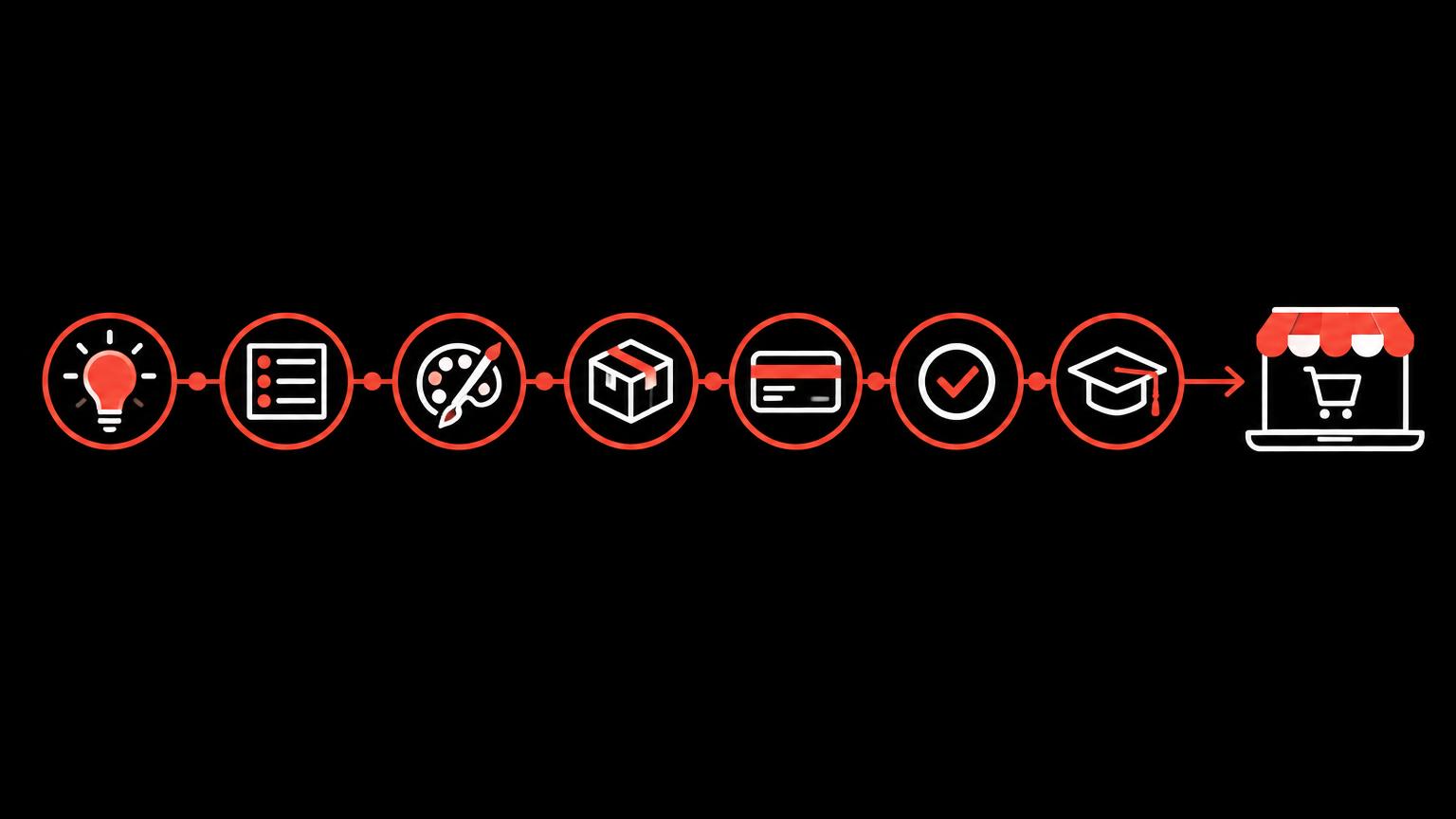
The following overview divides the work in a store project into seven areas. It helps you understand a quotation and identify whether an area is missing or has been deliberately excluded.
Not every area takes up the same share of every project. With fully prepared data, the product-related work is limited; with numerous integrations, the technical work is substantial. Use the planner below to explore which areas of work your choices involve.
- Planning and structure
- Basket and checkout setup
- Testing and launch
- Product import
- Set up a flat delivery rate
- Connect payment providers
- Adapt the template to the brand
- Training and handover of access details
The planner deliberately shows no prices. It is intended to help you prepare for a quotation discussion, not to replace an assessment of your specific project.
If you would like to assess the scope of your shop together, tell us about your product range and goals.
Send a non - binding enquiryMultiple languages, integrations and extensions
A bilingual shop involves more than translating product descriptions. Navigation, categories, legal content, system messages, order confirmations and search engine information also need a second version. There is ongoing maintenance too: every new product must be entered in all languages. If you also want to offer several currencies, markets and pricing rules need to be agreed.
Integrations connect the shop with other systems, such as inventory management, accounting or a shipping service. Some connections are available as ready-made extensions; others need a bespoke solution. Extensions often carry monthly fees and must be checked when updates are installed. The availability and terms of each extension must be checked before implementation.
Search engine basics, tracking and data protection
A professional shop needs well-written page titles, descriptions, meaningful URLs and descriptive image text. Google explains these basics in its SEO Starter Guide. Setting them up is part of the work, but nobody can promise a particular search ranking. Targeted work on visibility should be planned as a separate service, such as SEO support.
Analytics, advertising accounts and tracking are only activated after visitors give consent. This requires a consent banner, an appropriate privacy notice and sound technical implementation. The FDPIC publishes guidance on privacy notices. Legal assessment of your content is your responsibility or that of a qualified adviser, not the web agency's.
Platform costs, training and ongoing maintenance
Alongside the one-off work of building and designing the shop, there are ongoing costs. These include the ecommerce platform plan or hosting, payment fees, domain and business email, extension licences and possibly image licences. Shopify, for example, explains what is included in its plans under Features on all plans. Plans change, so they must be checked afresh before every implementation.
Training in store management is almost always worthwhile. Being able to add products, process orders and set up promotions yourself makes you less dependent on outside help. Handover also includes access credentials: the shop, domain and payment accounts should be registered to your business. For later questions, website training or occasional support is available.
Ongoing costs and commitments to budget for
- Ecommerce platform plan or hosting
- Payment provider fees
- Domain and business email
- Licences for extensions and apps
- Time for product maintenance and order processing
- Updates to legal content in line with your instructions
- Any support or further development
Questions for a realistic quotation
The more clearly you describe your starting point, the more accurate a quotation can be. An unclear enquiry leads to a quotation based on numerous assumptions, and assumptions are the most common source of later misunderstandings. The following questions help you organise your project in advance.
Clarify these points before discussing a quotation
- What products do you sell, and how many variants are there?
- In what format are your product data and images available?
- Where do you deliver, and do you offer collection?
- Which payment methods would you like?
- Which languages should the shop support?
- Are there existing systems the shop needs to connect to?
- Who will maintain the shop after launch?
- Do you have a preferred launch date?
Having an online store built: how a professional store project works explains what happens after the quotation. If you are still weighing up platforms, see the comparison of Shopify, Wix and WooCommerce.
A quotation from Widmer & Kunz always defines the scope for the specific project. What made sense for one project does not automatically apply to the next. For an overview of the service, visit Online store creation.
Summary
- The work involved depends mainly on processes, product data and integrations, rather than the number of pages.
- Product data is often the largest individual item and requires your approval of its accuracy.
- Variants, shipping rules and languages multiply setup and maintenance work.
- Ongoing costs for the platform, payments and extensions must be checked before implementation.
- Good preparation makes quotations more accurate and reduces surprises later.
Frequently asked questions
Why do you not give flat - rate prices for an online store?
Because two shops with the same number of pages can involve completely different amounts of work. Product data, variants, shipping rules and integrations have more influence on the work involved than design. A reliable figure is only possible after discussing your range.
What costs arise after launch?
Typical costs include the platform plan or hosting, payment provider fees, domain and business email, and extension licences. Product maintenance also takes time. Exact amounts depend on the provider and plan and must be checked before implementation.
Can I start with a small shop and expand later?
Yes, that often makes sense. It is important to mention planned additions, such as a second language or wholesale area, early on. This allows a system to be chosen that will support those steps later.
Who creates product descriptions and images?
This is agreed as part of the project. At a minimum, you provide the specialist product information and approve the text. Writing descriptions and editing images can be included as additional services if recorded in the scope.
Is legal content included in the work?
You or a qualified adviser supply legal content such as terms and conditions or a privacy notice. We add it to the shop and link to it where required. Legal advice is not part of a store project.
Is training really necessary?
It is not compulsory, but it makes you more independent in day-to-day work. If you can add products, process orders and set up promotions yourself, you need less external help. The scope and format of training are tailored to your team.
Sources
- CollectionsShopify · checked on 2026 - 11 - 05
- Customer payment methods with Shopify Payments in SwitzerlandShopify · checked on 2026 - 11 - 05
- Features on all plansShopify · checked on 2026 - 11 - 05
- SEO Starter Guide: The BasicsGoogle · checked on 2026 - 11 - 05
- Privacy notices on the internetEDÖB · checked on 2026 - 11 - 05
Back to the top of the article