Marketing · Marketing · Content planning
Planning advertising content: preparing images, videos and copy effectively

You have an image, a short film might be possible, and some ad copy could be written. Yet this collection does not make a coherent campaign. Advertising content works as a unified proposition: people need to understand what it is about, why it matters to them and what they can do next. Images, videos, copy and the landing page must therefore tell the same story.
A shared brief prevents photography, design and approvals from pulling in different directions. This guide shows you how to prepare content systematically, develop meaningful variations and gather the information you need. No particular format is automatically superior. What matters is the task, the placement, the offer and the quality of the overall user experience.
First clarify your goal, audience and offer
Do not start by asking which image looks best. First describe what the campaign should support. Do you want to explain a new offer, encourage a consultation or enable a purchase? A goal gives you a basis for assessing your content. It determines which information matters at the first point of contact and which details belong on the landing page.
Define your audience by their situation, rather than just broad characteristics. Someone who is only beginning to recognise a problem needs a different introduction from someone already comparing providers. Record their questions, doubts and requirements. Draw on verified insights from consultations, sales or existing feedback, and flag assumptions that remain unconfirmed.
Next, define the scope of the offer being advertised. What will interested people actually receive? What conditions apply, which services are included and what is explicitly excluded? This clarity helps prevent misleading images and exaggerated claims. Your content should not promise more than the subsequent consultation or order can deliver.
For additional questions to help you choose a channel later, see the draft Meta Ads or Google Ads. This related article is a private preview, not a published recommendation. Finalise your content only once the offer and channel are sufficiently clear.
Turn one core message into clear copy
Start by expressing your core message in a simple sentence. It should explain the specific concern your offer addresses. Avoid listing every service. An ad does not need to answer every question. It needs to set appropriate expectations and provide a clear starting point.
The headline should make sense even without supporting body copy. Check that the offer and its benefit are clear, without using unsubstantiated superlatives. The ad copy can add conditions, explain your approach or highlight an important point of difference. Read both elements together: do they merely repeat the same words, or do they contribute different information?
The call to action must describe the next step honestly. Requesting a consultation is different from placing an order. Someone asked to complete a form first must not be led to believe they have already booked a confirmed appointment. Wherever possible, use the same wording for the same action in the ad and on the landing page.
Create copy variations with different openings but the same factual basis. One version might address a common question, while another explains the process. Do not change the offer, audience and call to action all at once if you later want to understand which difference mattered. A documented plan for variations is more useful here than improvised wording.
Develop your visual concept and video idea around the task
A visual concept defines what will be shown and what information the image conveys. For a product, a clear demonstration of its use may matter more than elaborate staging. For a service, work stages, materials or a clear explanation of the process can provide guidance. Choose subjects that are factually accurate and will not mislead without further explanation.
A short outline is enough for an initial video idea: opening, main explanation and next step. Note which shot conveys which message. This helps you identify missing information or purely decorative scenes before filming. Plan clear subtitles and visuals that still make sense without sound.
Consider the production conditions. Who is available for photography or filming? Which rooms may be shown? Are the equipment, safety requirements and depicted procedures correct? Obtain the necessary consent and approvals before shooting, not merely at publication. Do not show customer data on screens or documents in the background.
Create a shot list with essential images and optional additions. Leave space for different crops and keep original files organised and accessible. For specialist and creative support, consider the Advertising content service. The right choice of media still depends on your goal, content and production resources.
Coordinate formats, mobile display and visual identity
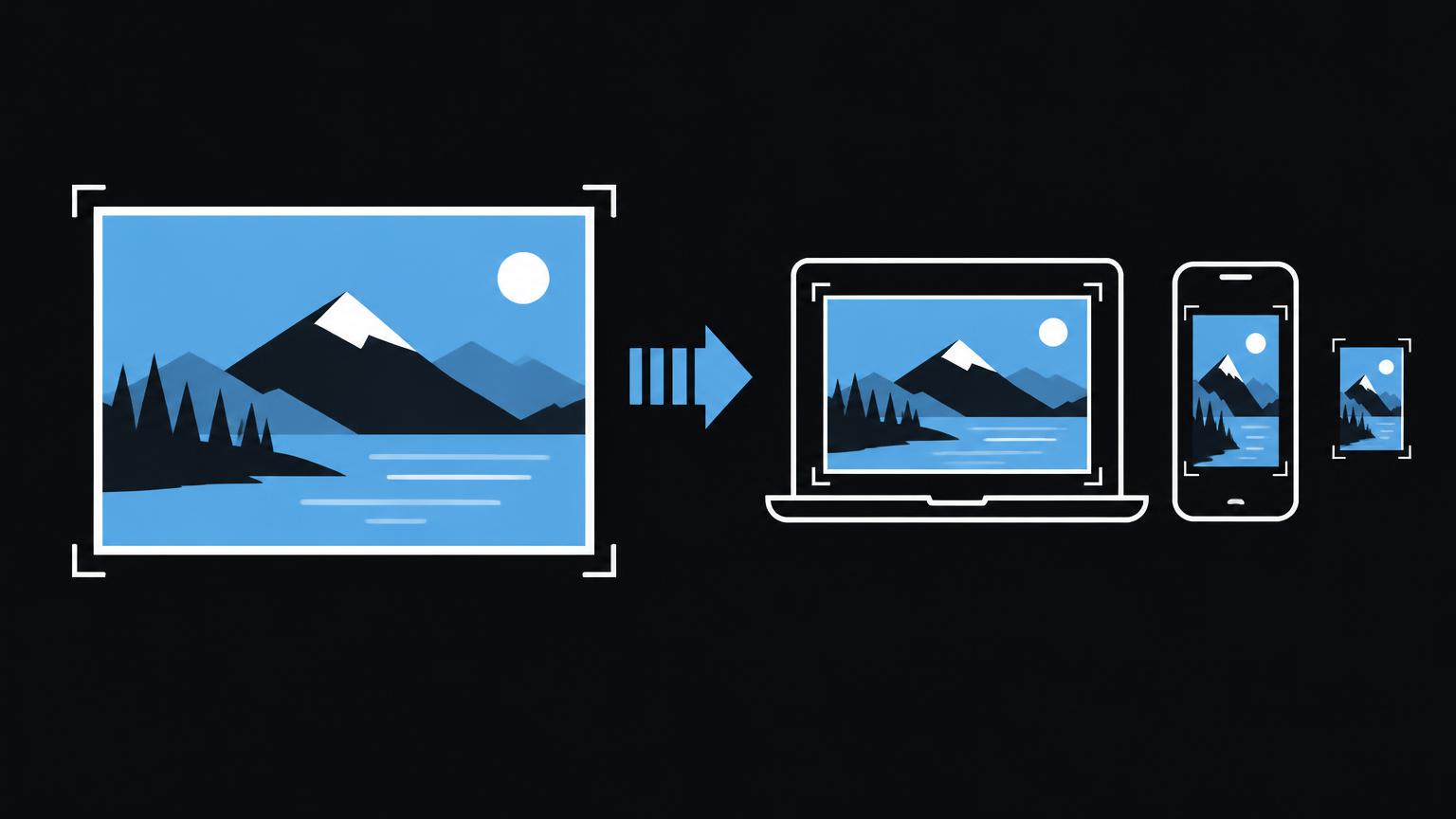
Different placements have different requirements for image crops, text volume and video length. Plan not just one finished file, but a master image with suitable adaptations. Check important elements within the area that will actually be visible. Cropping must not make a logo, face or essential product detail unclear.
Before production, check the available ad formats, permitted file types, current requirements and preview functions in the relevant account. Platforms continue to change their interfaces and formats. Do not reuse an older production template without checking it. The official Best practices guide for responsive display ads explains, among other things, why image and text elements need to work together.
Your visual identity provides a framework for colours, typography and imagery. It must not undermine clarity. Small text, weak contrast and cluttered images are particularly hard to take in on a mobile phone. Check the ad at a realistic size, not just as an enlarged graphic on your work monitor.
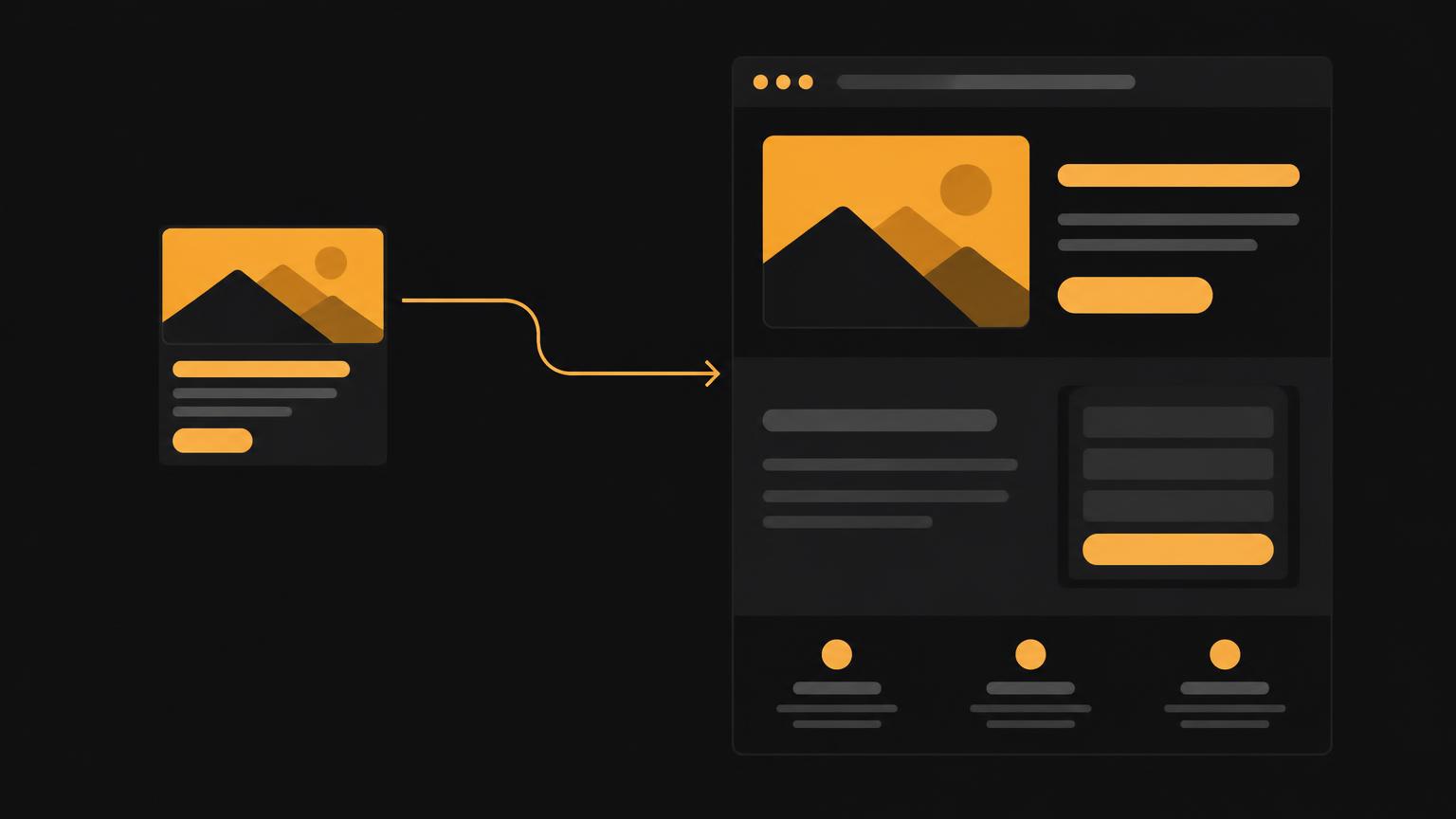
Reused content needs adapting to its new purpose. An image from a brochure may be a good starting point, but might need a different crop and less text. For printed materials, Print design can help maintain consistency. A consistent identity does not mean using the same unaltered file everywhere.
A content plan connects assets, variations and responsibilities
A practical content plan is more than a calendar of publication dates. It connects the goal, message, assets, responsible people and approval status. This makes it clear if a shot is missing, copy still needs a specialist review or the appropriate landing page is not ready. Use unambiguous filenames and indicate the current status.
| Content element | Information required | Possible variations | Approval question |
|---|---|---|---|
| Image | Subject, offer, rights | Use or detail | Is the depiction factually correct? |
| Video | Sequence, statements, audio rights | Explanation or behind-the-scenes view | Have the scenes and subtitles been approved? |
| Copy | Benefit, conditions, action | A question or process-led opening | Can every promise be substantiated? |
| Landing page | Offer, contact route, responsibility | Consultation or order | Does the page match the ad? |
Plan variations around a specific unanswered question. If you are unsure which opening makes the offer clearer, prepare two factually comparable introductions. Document the intended difference. Variations do not guarantee better results; they provide a basis for structured observation and subsequent decisions.
If you would like to prepare coordinated images, videos and copy, you can request advertising content through the marketing enquiry form.
Send a non - binding enquiryOrganise production and approvals into a traceable process
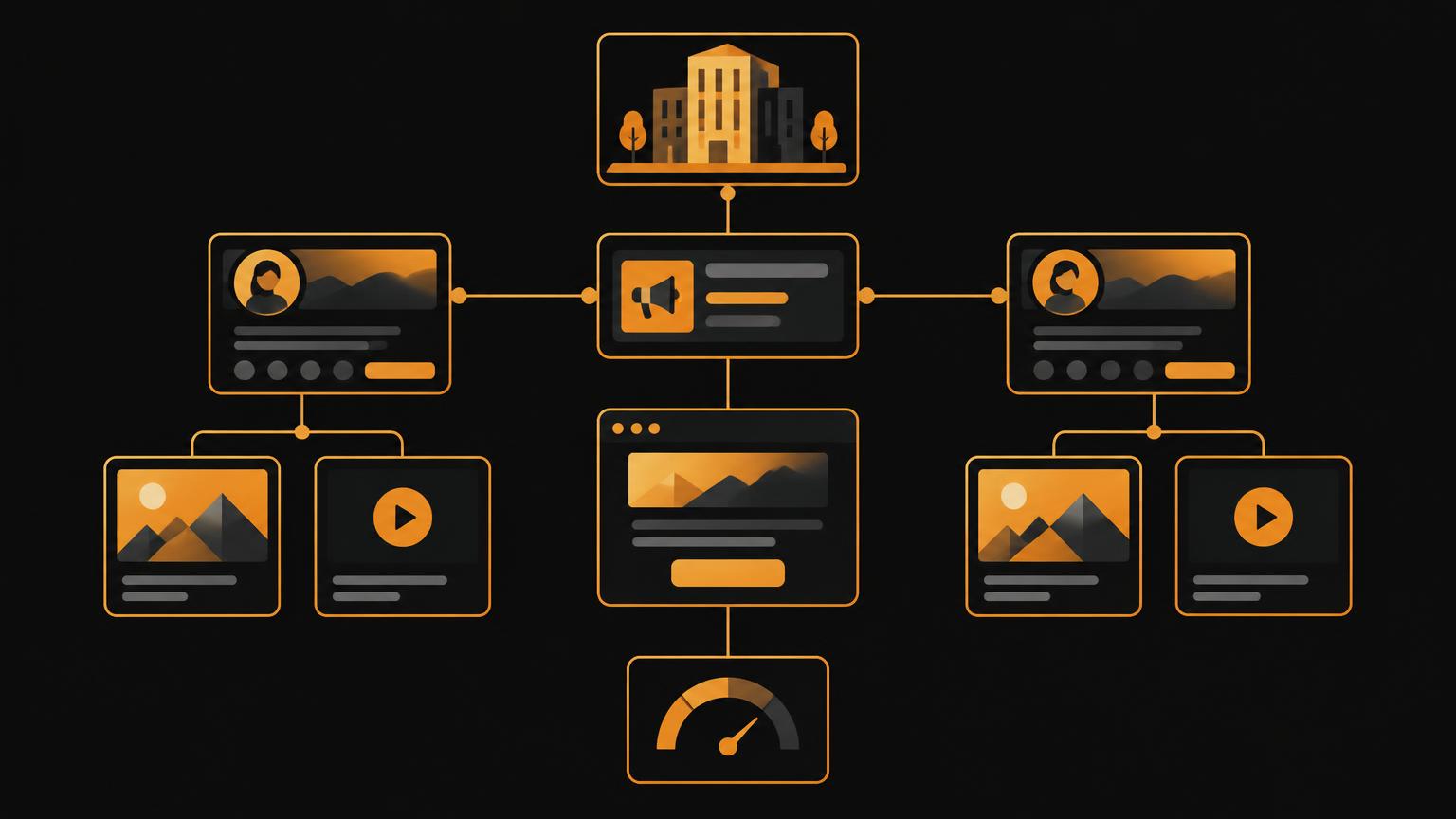
The following graphic sets out the stages from preparation to campaign. Each transition requires a clear status: an approved brief is not yet an approved ad. New questions can arise even after a shoot, for example if a visible detail cannot be used or a statement needs more precise wording.
Define who approves factual claims, design and publication. Consolidated feedback is usually clearer than conflicting comments across several channels. Agree which version is being reviewed and when a decision is needed. Changes made after approval should be checked again for factual accuracy and appropriate presentation.
In particular, you will need to provide offer details, brand materials, existing original files, substantiated claims, necessary access and a designated approver. Also disclose any known restrictions. If certain people, places or products must not be shown, this needs to be stated in the brief.
Check usage rights and the landing page before launch
For images, footage, music and brands, establish whether the intended use is genuinely covered. A file in your own archive is not automatically cleared for paid advertising. The purpose, platform, editing, duration and territory may all be relevant. Document the source and confirmed rights, and seek specialist advice on unclear cases. This article is not a substitute for legal advice.
Then check the entire journey after the click. The advertised offer must be easy to find on the landing page. Do the headline, images and contact route match the ad? The related draft Why advertising needs a suitable landing page explores this connection. For technical or content changes, Website improvement is one possible service area.
The advertising budget and content production are separate matters. The advertising budget goes to the platform; strategy, shooting, copywriting, design and campaign management are professional services. Platform costs and advertising spend are paid directly or according to the account setup and must be confirmed before the project begins. Even high-quality content does not guarantee enquiries. Results depend on factors including the offer, competition, audience, budget, landing page and measurement.
Practical approval checklist before campaign launch
- Audience, offer and core message confirmed in writing.
- Images, music, brands and identifiable people cleared for the planned use.
- Headline, copy and call to action checked for contradictions.
- Mobile preview and relevant crops checked.
- Landing page, contact route and responsibilities tested.
- Variations, file versions and approvals documented.
- Measurement planned only with appropriate consent and privacy arrangements.
Demo : assemble a neutral ad draft
The local content builder makes the connection between your decisions visible. Select a goal, audience, format, visual focus, tone and call to action. The preview is only for exploring a possible combination. It assesses neither legal permissibility nor actual suitability for an advertising account, and provides no forecast of success.
Nothing is saved or published, and no advertising account is connected. Select Reset to start again. Use the preview as a basis for discussion: is the message clear? Does the next step suit the person's decision-making stage? What factual information is still missing? Only after answering these questions and obtaining the necessary approvals can this become an actionable production brief.
Summary
- A clear offer and a specific audience come before the choice of format.
- Images, videos, copy and the landing page must set the same expectations.
- Plan variations around a clearly stated question.
- Document usage rights, versions and approvals.
- Keep the advertising budget separate from professional services.
Frequently asked questions
Do you need to produce a video for every campaign?
No, a video is not automatically the better solution. Consider what information the offer requires and what content you can produce to a consistently reliable standard.
Can existing images be reused?
Yes, if their quality, message and usage rights suit the planned application. In particular, check cropping, identifiable people and permission for paid advertising.
How many variations should you prepare?
There is no universally applicable number. Plan only variations that answer a specific question and can be managed sensibly with the available resources.
What belongs in a brief for advertising copy?
You need a goal, audience, offer, substantiated benefits and desired next step. Add restrictions, tone of voice and the person responsible for approving factual content.
Can music from social media be used in ads?
Do not assume it can. Check the specific licence and current platform terms for the intended advertising use.
How are content and landing pages connected?
The ad creates an expectation that the landing page must fulfil. If the offer, language and contact route do not align, this creates an unnecessary break in the enquiry journey.
Sources
- Best practices guide for responsive display ads - Google Ads Help Google · checked on 2026 - 11 - 05
- About consent mode - Google Ads Help Google · checked on 2026 - 11 - 05
Back to the top of the article