SEO and visibility · SEO and visibility
Local SEO for Swiss businesses
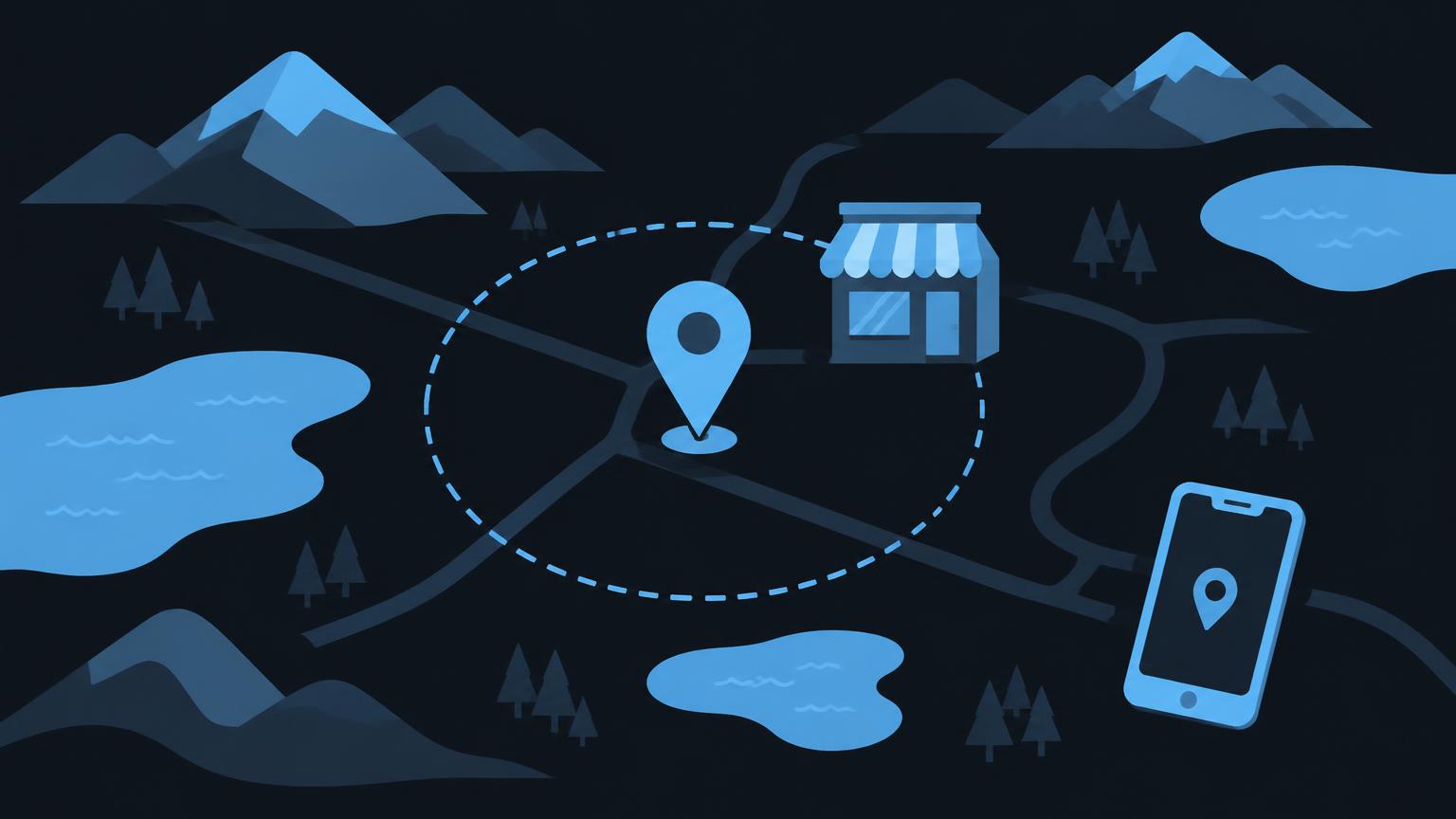
When someone searches for a nearby bicycle workshop, fiduciary advice in their canton or a plumbing business for a repair, they usually have a specific decision to make. They want to know whether your business offers the right service, can be contacted and actually works in the area they need. Local SEO helps you answer these questions clearly on your website and in local search services.
For Swiss businesses, this does not mean fitting in as many place names as possible. What matters is a verifiable picture of your business: where are you based, which areas do you travel to, when can you be contacted and which tasks do you undertake? This guide shows you how to build your local presence without inventing locations or drawing misleading promises of success from search positions.
1. Understand local search intent before choosing keywords
A local search combines a service with a geographical need. The location may be stated explicitly, as in ‘bicycle servicing Winterthur’. It may also be implied by the situation, such as someone looking for an open workshop while out and about. Start with the tasks your customers need help with, rather than the longest possible list of municipalities.
Note which services people need at short notice and which they compare first. For a repair, contact availability, opening hours and directions matter. For advice, specialisation, language and appointment arrangements may carry more weight. These differences determine which information should appear near the top of each service page.
Google identifies relevance, distance and prominence or popularity as the main factors for local results. Adding more place names cannot overcome the distance from the person searching. The official explanation of local ranking helps distinguish information quality you can influence from circumstances outside your control. Paid adverts are separate placements and are not evidence of organic success.
2. Clearly distinguish your genuine location from your service area
Your location is the place where your business actually operates. Your service area, by contrast, describes where you serve customers. A joinery business may be based in one municipality and carry out work in several surrounding towns. This does not automatically create several branches. Present your business premises and the area you serve as separate pieces of information.
For a shop, visitors need a precise address, information about the entrance and, where appropriate, travel details. If you work exclusively at customers’ premises and do not receive customers at your business address, different requirements apply to the address displayed in your Business Profile. Check eligibility and how your address should be displayed against Google’s guidelines. A letterbox or an invented business address is no substitute for a genuine location.
Only use telephone numbers through which your business can actually be reached. A supposedly local number that suggests a non-existent branch gives a misleading impression. Instead, explain honestly how enquiries from a region are handled. This avoids misunderstandings about travel distances, your ability to respond and whether an in-person visit would be useful at all.
3. Keep your Business Profile and website aligned
A Google Business Profile can make business information available in Search and Maps. However, it does not replace a website where you can explain services in detail and help people understand whether their enquiry is suitable. Your profile and website should complement each other: the profile provides quick guidance, while the relevant landing page explains the scope of the service and the next step.
Cross-check your business name, telephone number, website address and relevant opening hours. Consistency does not mean forcing identical wording into every sentence. What matters is that people recognise the same business and do not encounter conflicting information. Document a reliable set of core details that is updated when you move, close for holidays or change your telephone number.
Choose profile categories according to your actual activities, not every search query you would like to appear for. The Business Profile checklist takes you through the individual fields. If responsibilities are unclear or details conflict, organised management of your Google Business Profile may be more useful than additional copy without clear responsibility for maintaining the data.
| Local signal | Source | Information needed | Common source of error |
|---|---|---|---|
| Location | Business and contact page | Genuine address and whether visits are possible | Presenting a service area as a branch |
| Contact availability | Telephone system and profile | Working number and contact hours | Outdated telephone number |
| Service | Service specialists and website | Specific scope and limitations | Unsuitable profile categories |
| Opening hours | Operational planning | Regular hours and exceptions | Not updating public holiday hours |
| Reviews | Genuine customer experiences | Factual feedback and responses | Incentives or invented reviews |
4. Explain services in their regional context instead of copying location pages
A good service page explains what you offer, who the service suits and how working with you works. Add regional context where it matters to the decision. This includes genuine service areas, appointment conditions or whether an on-site visit is possible. Repeated place names alone do not provide this information.
Separate local landing pages make sense when they offer distinct value. An existing branch with its own opening hours and contacts may justify its own page. Clearly explained differences in how work is handled in a particular area may also be relevant. However, if the only difference is the municipality name in otherwise identical copy, a clear service area page is often sufficient.
For every proposed location page, ask: which question does it answer better than the general service page? Can you substantiate its information and keep it up to date over time? Without a sound answer, you should not create the page solely for search engines. The article on regional pages and SEO explores this decision in more detail. Mass-produced duplicate location pages are not a sound local strategy.
In multilingual regions, the languages in which you actually provide advice also matter. Only list languages in which your business can handle enquiries. Translated pages should make the same factual commitments and must not suggest new locations that do not exist. A clear language choice and understandable contact options are more helpful than a collection of automatically translated municipality names without ongoing editorial care.
5. Treat directories and reviews as part of building trust
Business directories can help people discover your business or check its details. Prioritise relevant industry directories and reputable regional services rather than creating listings indiscriminately everywhere. Accurate data and a clear presentation are what matter. A paid listing is not automatically valuable, and a large number of directories does not guarantee a better position.
Keep a simple record of your most important listings. Note who has access, which details are published and when they were last checked. If you move, this allows you to make targeted updates rather than leaving conflicting addresses in place for months. Wherever possible, remove or correct old details with the relevant provider.
Reviews reflect personal experiences and are not a comprehensive quality assessment. Ask customers neutrally for honest feedback, without rewards and without selecting only satisfied people. Respond calmly and specifically. When dealing with criticism, confidential details of customer work do not belong in public. If a contribution breaches platform rules, use the designated reporting process rather than promising its removal.
Have your local visibility assessed objectively with a [website analysis](/anfrage/website - analyse).
Send a non - binding enquiry6. Bring together mobile usability, internal navigation and structured data
Many local decisions are made on a small screen. Check whether your telephone number, address, opening hours and a clear contact option can be found without a lengthy search. A prominent button is of little use if it leads to the wrong number. Test not only the appearance but also the actual journey from the first visit to an enquiry.
Link your service pages to relevant location information and the contact section. Use clear link text such as ‘Directions to our premises’ rather than vague wording. A regional overview page can guide people to suitable services without every page repeating every municipality. People unfamiliar with the area should also be able to tell whether you can handle their request in the location they need.
Structured data can describe business details in a machine-readable format. It must match the visible page and the actual business. Markup creates neither an additional branch nor a guaranteed enhanced display. Which details make technical sense should be assessed against the existing website. The article on structured data explains the possibilities and limitations.
Technical foundations also remain important: accessible pages, sensible internal links and a usable mobile layout. A profile cannot permanently compensate for incorrect website content. Where contact routes conflict or the service structure is confusing, targeted website improvements are often the next practical step.
7. Organise information with a local demo
The following demo is a planning tool and does not connect to Google. You select your business type, genuine location, service area and service. These choices are used to suggest useful information areas, such as directions for a shop or service conditions for a mobile provider. The display contains neither real search results nor a forecast of positions or reach.
- Use the same name, address and phone number everywhere
- Service pages with accurate information
- Opening hours and directions
- Business Profile with a location
Use the result as a starting point for discussion within your team. For each suggested area, check whether the information already exists, is clearly worded and is up to date. A missing area is initially an editorial task, not a measured loss in ranking. Particularly valuable information reduces both uncertainty among prospective customers and follow-up questions on the telephone.
Checklist for a credible local presence
- Document your genuine location and whether customers can actually visit.
- Describe your service area without inventing branches.
- Cross-check contact details and special opening hours.
- Explain services in a way that provides distinct value.
- Check important directories for outdated details.
- Test mobile contact options in practice.
- Assign responsibility and set the next review date.
8. Measure local results and prioritise sensibly
First define what counts as a suitable enquiry for your business. An appointment booking within your actual service area has a different value from an unsuitable call from a region you do not serve. During the enquiry process, record which service and location are involved. This allows you to assess local visibility using more than visits or individual search positions.
Keep data sources separate: Search Console describes your website’s performance in Google Search, while available profile statistics concern interactions with your Business Profile. Not every view leads to a visit, and not every click leads to a job. Check the available metrics and their definitions before implementation. Data protection and a properly configured consent solution should be part of the planning for additional tracking.
Compare similar periods and account for holidays, seasonality and operational changes. A single test in Maps is not a representative measurement because location and search context play a role. Start with factual errors, then address missing service information and finally develop further content. Professional SEO support should be able to explain this order of priorities transparently.
Local SEO is work on discoverability in local search results. GEO concerns preparing content for generative search systems and is not the same as maintaining a map listing. Neither a complete profile nor additional content guarantees a particular position or a mention in generative answers. Clear information, well-founded actions and regular reviews provide a reliable basis.
Summary
- Local search intent starts with specific services and genuine working locations.
- Your location and your service area are different pieces of information.
- Your website, Business Profile and important directories should present a consistent picture.
- Separate location pages need to offer distinct value.
- Reviews must remain genuine feedback and must not be manipulated.
- Measure suitable enquiries rather than just individual search positions.
Frequently asked questions
Does every Swiss business need a Google Business Profile?
Not every business model meets the requirements. In particular, check whether you have in-person contact with customers at your location or theirs. A purely online offering does not automatically justify a local profile.
Can I create a location for every municipality I serve?
A service area is not a branch. Only list genuine, eligible locations and follow Google’s guidelines for the relevant business model.
Does a telephone number with a local dialling code help?
What matters is that the number actually reaches your business. Do not use a number that suggests an invented location. A dialling code alone is no basis for a ranking promise.
Are more location pages always better?
No. Each page should answer a meaningful question of its own. If only the place name changes, a clear explanation of the service area is often more helpful.
Do I have to respond to every review?
A factual response can show that you take feedback seriously. Assign responsibility in a practical way and avoid confidential information. Responses do not replace resolving an actual problem.
How can I recognise progress with local SEO?
Monitor suitable enquiries, up-to-date contact details and available performance data over comparable periods. Individual map positions depend on the search context. They cannot provide a guarantee of a fixed position.
Sources
- Improve your local ranking on Google - Google Business Profile Help Google · checked on 2026 - 11 - 05
- Guidelines for representing your business on Google - Google Business Profile Help Google · checked on 2026 - 11 - 05
- Tips to get more reviews - Google Business Profile Help Google · checked on 2026 - 11 - 05
Back to the top of the article